
Photo courtesy of Stephan Schwander
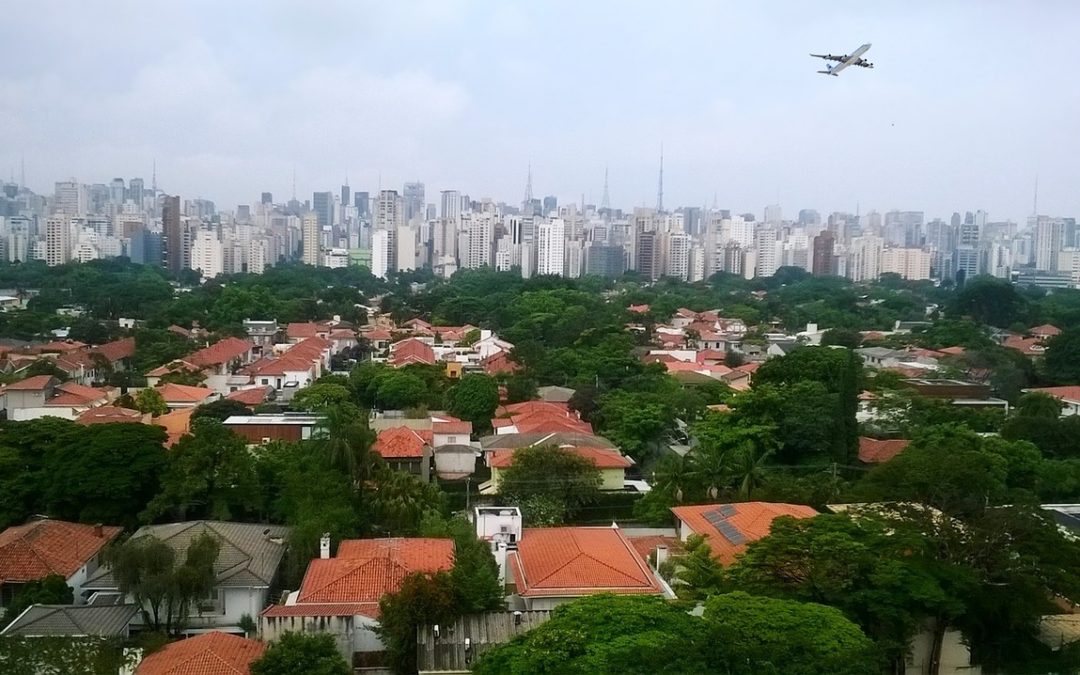
Examining Health Inequality, City by City
Public health faculty member Michael Gusmano expands his city-focused research to the BRIC countries, aiming to help policymakers focus their health efforts—and budgets—by pinpointing successes and disparities.

Dive in to “Water and Society” Course at Rutgers
Global Health Education at Rutgers: An undergraduate course taught by Daniel Van Abs in the School of Environmental and Biological Sciences introduces students to the politics of international water relations and the broad spectrum of ways that water influences societal development.
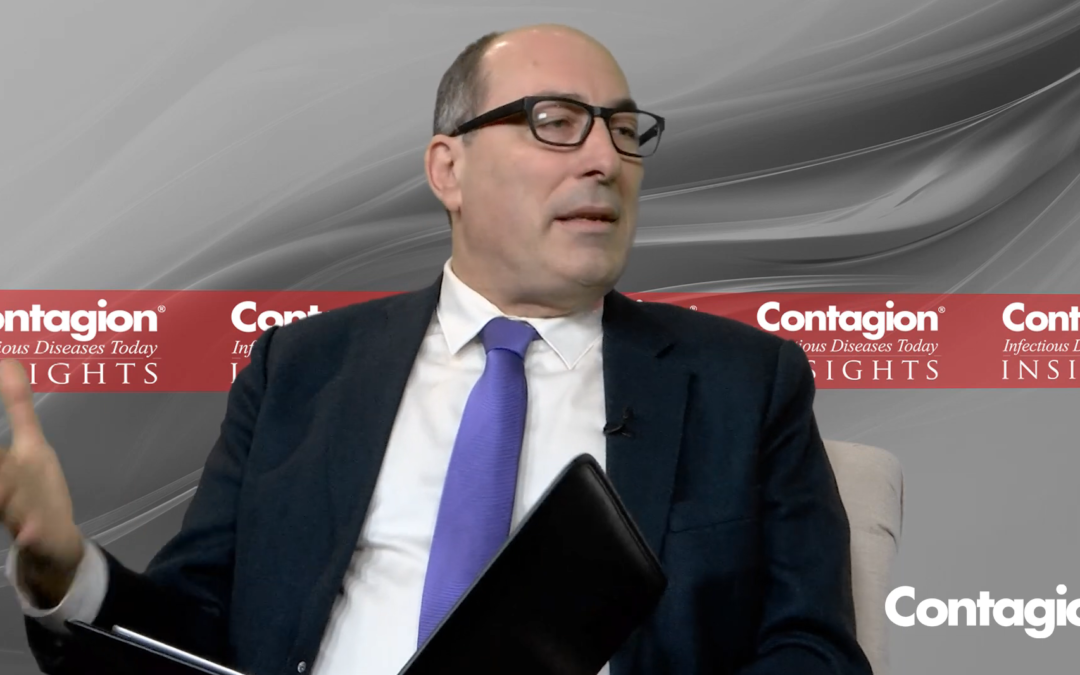
Video Series: Measles Outbreaks, Vaccination, and Public Health
Rutgers professor and pediatric infectious diseases expert Glenn Fennelly is featured in a five-part Contagion video series about measles. He discusses vaccination, individual state laws, exemption definitions, and the role clinicians and public health officials play in these measles outbreaks. Christina Tan, an assistant commissioner of health for New Jersey, is also featured.

Learning to Cooperate
Core faculty member Frank Ghinassi, president and CEO of University Behavioral Health Care, discusses a Rutgers initiative to help New Jersey’s health providers better integrate behavioral and physical medical care.

Addressing Barriers to Surgical Care in Rural Ghana
Owing to a severe shortage of surgeons and surgical training in rural Ghana, many people are suffering—and dying prematurely—from treatable conditions. Faculty doctors Ziad Sifri and Harsh Sule created an online training program to teach surgical skills and diagnostic methods to clinicians 5,000 miles away.

Something Big is Happening at Rutgers
On March 27, Rutgers Global Health Institute is participating in the fourth annual Rutgers Giving Day, a 24-hour event that inspires significant philanthropic support for hundreds of causes across Rutgers. Institute director Richard Marlink will personally match the first $500 in donations.

Bacteria May Travel Thousands of Miles Through the Air Globally
Antibiotic resistance is one of the biggest threats to global health, food security, and development today. Rutgers scientists are part of a research team suggesting that bacteria may travel thousands of miles through the air worldwide instead of hitching rides with people and animals. Their “air bridge” hypothesis could shed light on how harmful bacteria share antibiotic resistance genes.
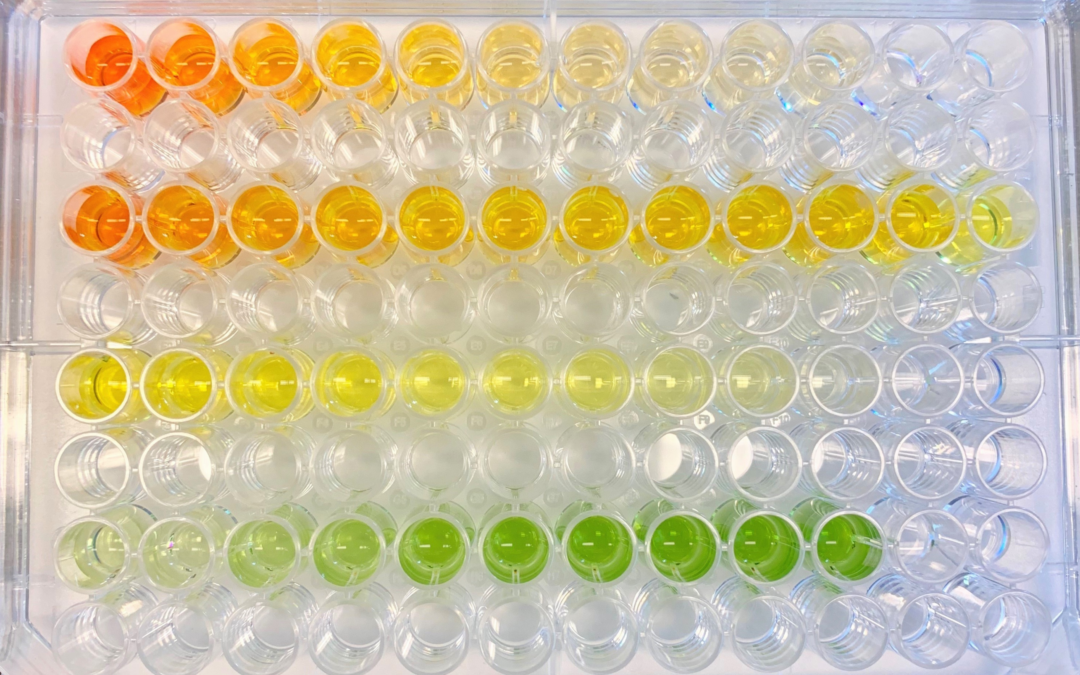
Improving TB Treatment—and Survival—in the World’s Poorest Places
Tuberculosis researcher Christopher Vinnard of Rutgers’ Public Health Research Institute is developing a urine test that can pinpoint—easily and resourcefully—the effectiveness of patients’ TB treatment dosages. This new test would be more accessible to clinicians in low-income countries.
Introducing Global Health Connection
Global Health Connection is a monthly newsletter published by Rutgers Global Health Institute. Each issue includes global health stories, events, and relevant resources from across Rutgers, all curated for your inbox in an easily digestible format.
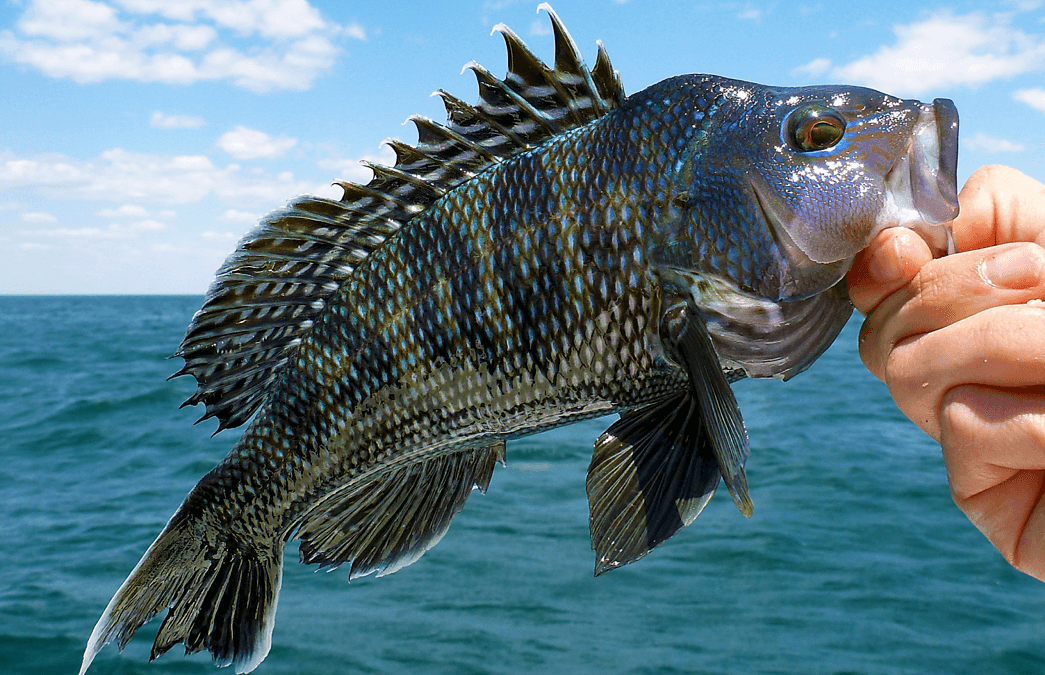
Climate Change Shrinks Many Fisheries Globally, Rutgers-Led Study Finds
Climate change is leading to a decline in fish populations, which could have a devastating effect on developing countries that rely on seafood for nourishment and livelihoods, according to a Rutgers-led study.