The first graduates of New Jersey Medical School’s global health distinction program talk about what they’re thinking and feeling as they careen into the medical profession during the COVID-19 pandemic.


The first graduates of New Jersey Medical School’s global health distinction program talk about what they’re thinking and feeling as they careen into the medical profession during the COVID-19 pandemic.
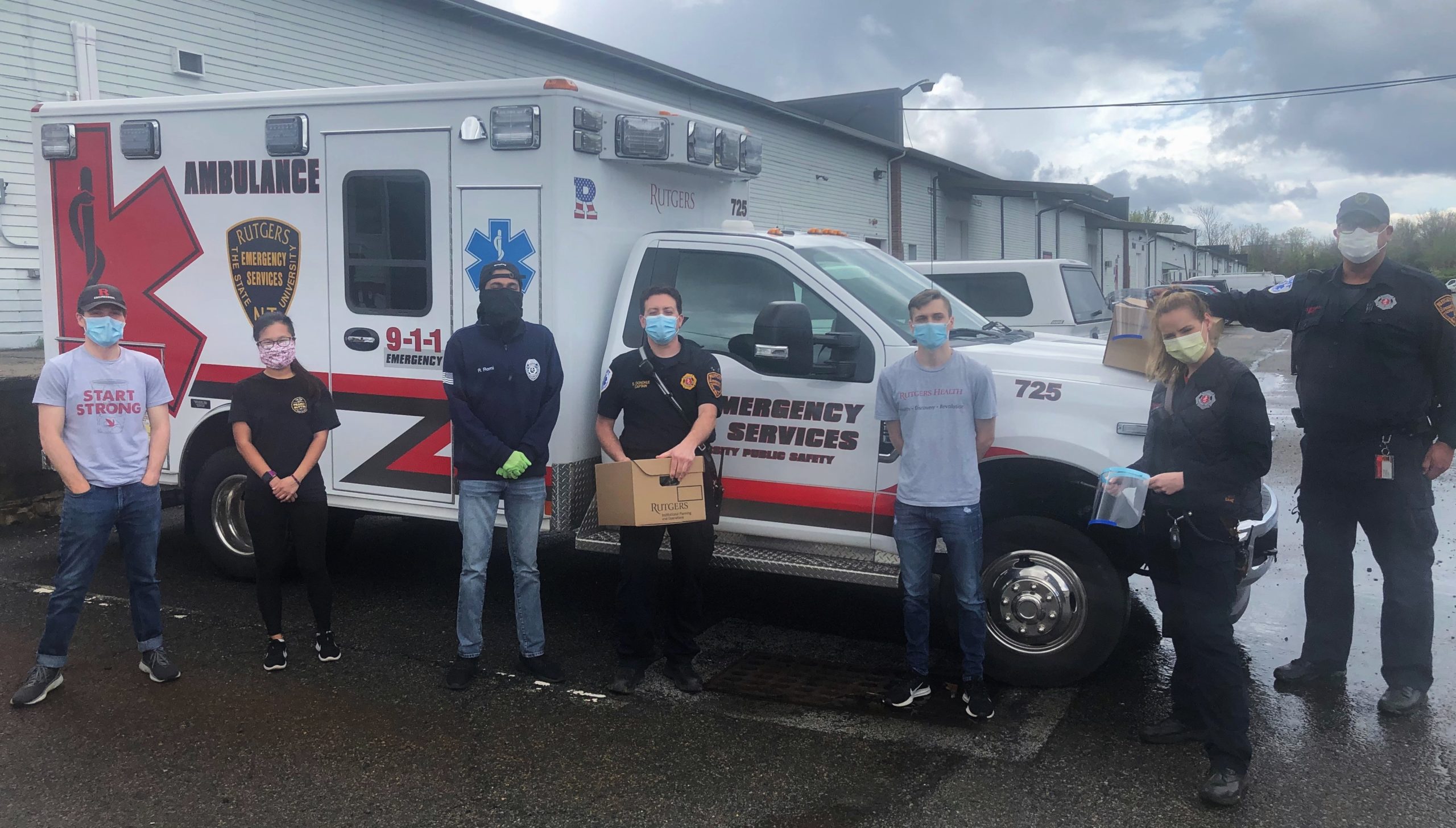
A campaign led by graduate student Jack Hemphill is underway to collect, produce, and donate items that are in short supply during the COVID-19 pandemic. The Rutgers Global Health Institute Student Council is responding to urgent local needs, such as PPE for health workers as well as food and personal hygiene products for community members.
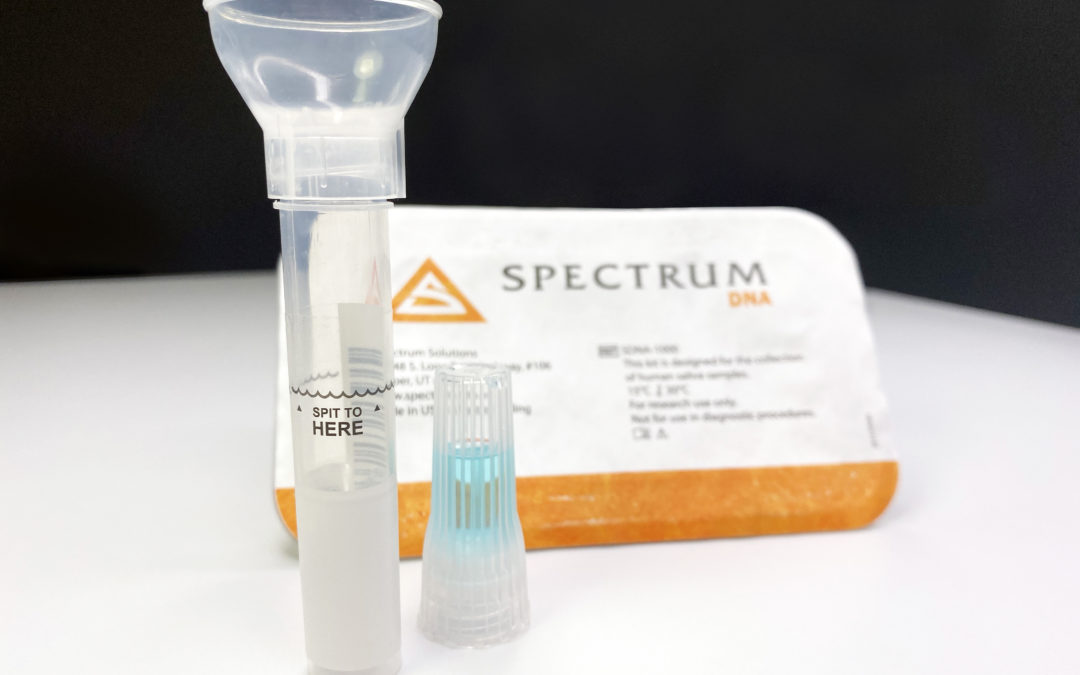
The New York Times reports that the FDA granted emergency authorization for the at-home saliva collection kit that was developed at Rutgers by RUCDR Infinite Biologics. The laboratory’s COO and director of technology development, Andrew Brooks, said Rutgers has 75,000 test kits ready to ship and can process 20,000 tests each day, with a 48-hour turnaround. He expects other labs around the country to adopt it for their own use.
Rutgers experts offer insight and advice on a range of topics related to COVID-19.

Epidemics widen the gap between the haves and have-nots in healthcare, Rutgers Global Health Institute director Richard Marlink told the Daily Targum.

Rutgers Global Health Institute director Richard Marlink is quoted in this Los Angeles Times story about the stigma and discrimination COVID-19 victims are facing.
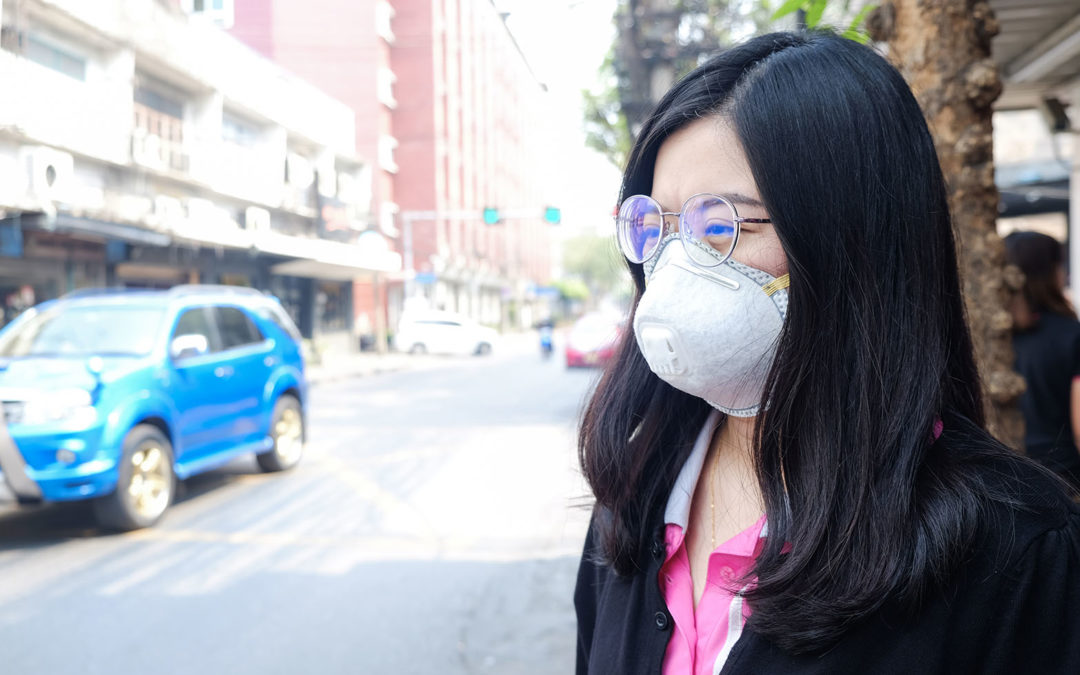
Rutgers expert Debra Chew discusses the evolving outbreak of Wuhan coronavirus and advises on how to stay healthy. Chew is a former epidemic intelligence officer for the Centers for Disease Control and Prevention, an assistant professor of medicine at Rutgers New Jersey Medical School, and the medical director for infection prevention and control at University Hospital in Newark.

In an op-ed for the Star-Ledger, Richard Marlink discusses the need to address cancer care and prevention disparities in sub-Saharan Africa, where aging HIV-positive populations face an increased risk of certain cancers.

Every year, millions of people in developing countries die from tropical infectious diseases. Rutgers scientists are leading an effort to help researchers in these countries discover botanical compounds with medicinal potential.
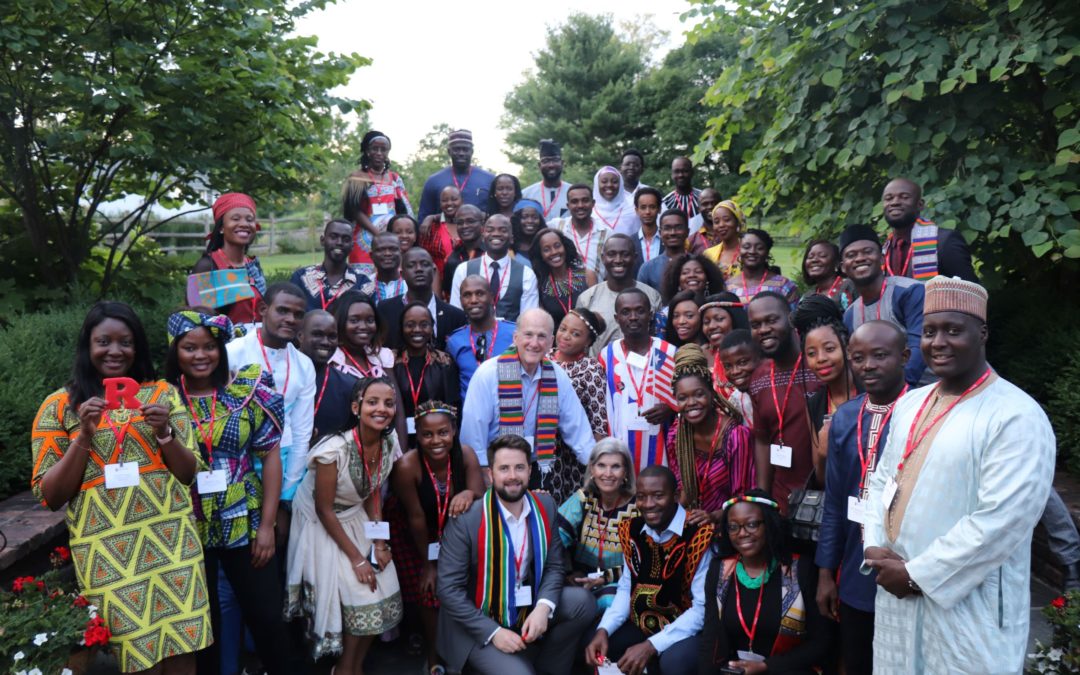
During a seminar with the Rutgers cohort of 25 young African leaders, institute director Richard Marlink led a discussion about mobilizing three essential strategies to end the epidemic: follow the science, treat the whole person, and expand the health care workforce.