
Photo courtesy of Stephan Schwander
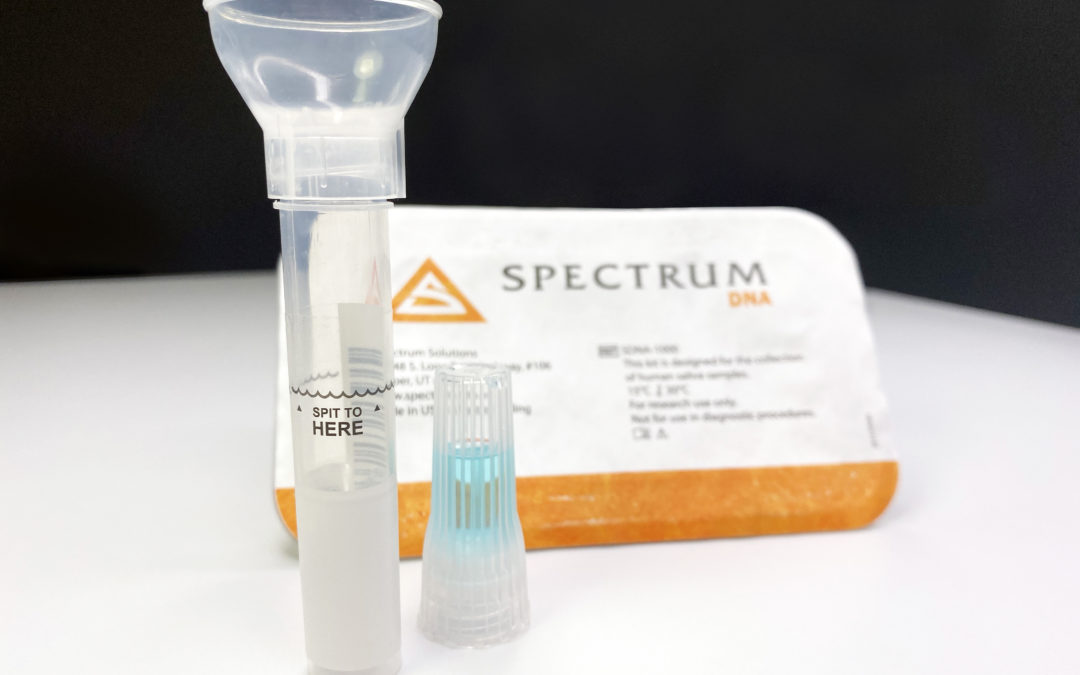
FDA Clears First Home Saliva Test for Coronavirus
The New York Times reports that the FDA granted emergency authorization for the at-home saliva collection kit that was developed at Rutgers by RUCDR Infinite Biologics. The laboratory’s COO and director of technology development, Andrew Brooks, said Rutgers has 75,000 test kits ready to ship and can process 20,000 tests each day, with a 48-hour turnaround. He expects other labs around the country to adopt it for their own use.
Rutgers Responds to the Coronavirus Outbreak
Rutgers experts offer insight and advice on a range of topics related to COVID-19.
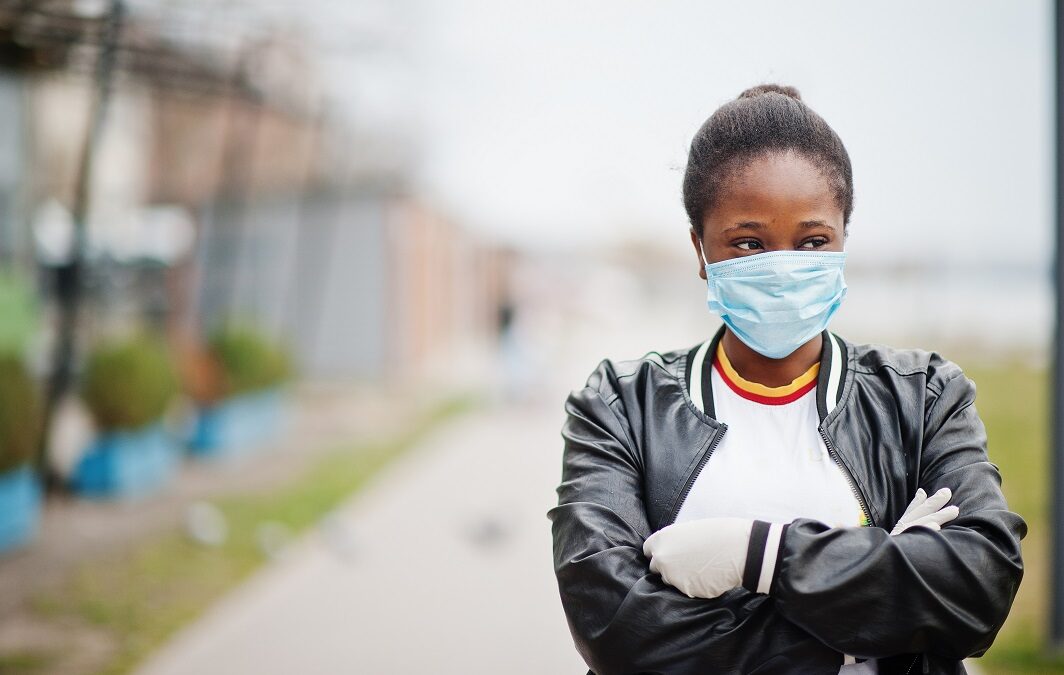
Rutgers faculty discusses effect of coronavirus on minority communities
Epidemics widen the gap between the haves and have-nots in healthcare, Rutgers Global Health Institute director Richard Marlink told the Daily Targum.
The scarlet C: Coronavirus survivors face the stigma and discrimination
Rutgers Global Health Institute director Richard Marlink is quoted in this Los Angeles Times story about the stigma and discrimination COVID-19 victims are facing.

COVID-19: Limited health care access further divides ‘haves’ from ‘have-nots’
Richard Marlink, director of Rutgers Global Health Institute, spoke with Healio Primary Care about the ways in which social determinants of health are impacting patients during the COVID-19 pandemic.

Impact of COVID-19 in Sub-Saharan Africa
COVID-19 has reached many sub-Saharan African countries that are already suffering from malnutrition and disease, under-resourced health systems, and limited economic funding. Richard Marlink, director of Rutgers Global Health Institute and a leader in the global response to HIV/AIDS, discusses how this pandemic is likely to impact the African region and what can be done to help these countries.
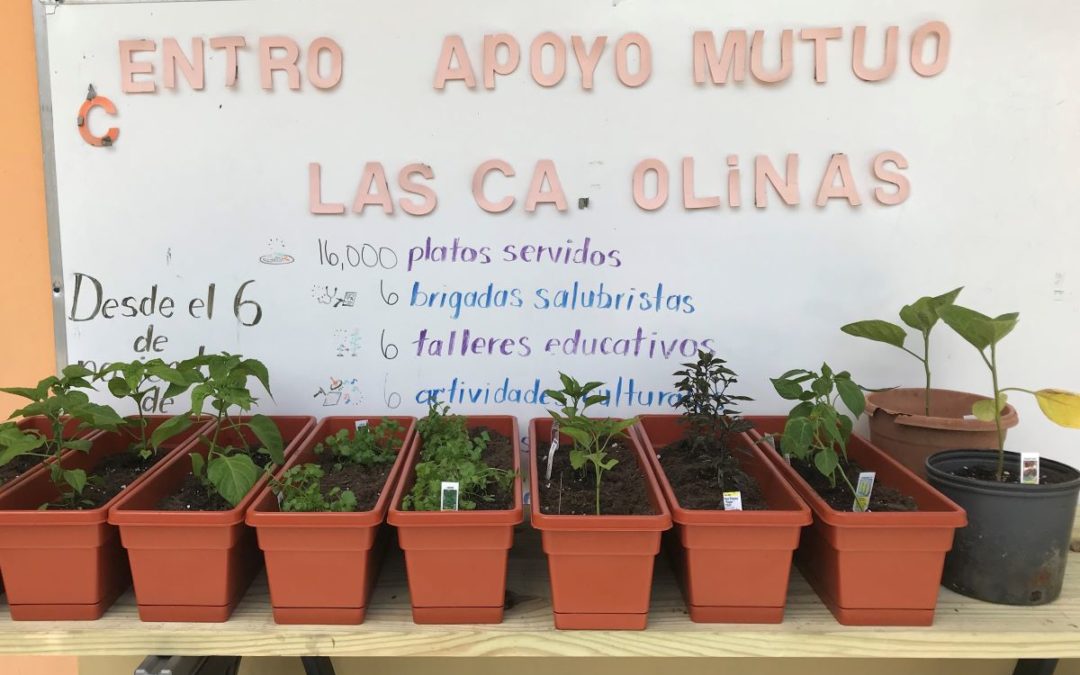
Growing Peppers—and Resiliency—in Puerto Rico
A partnership in Las Carolinas, Puerto Rico, is helping the volunteers of a community kitchen grow vegetables and herbs to support their efforts feeding local residents. Beyond the garden, a sense of empowerment also is blooming.
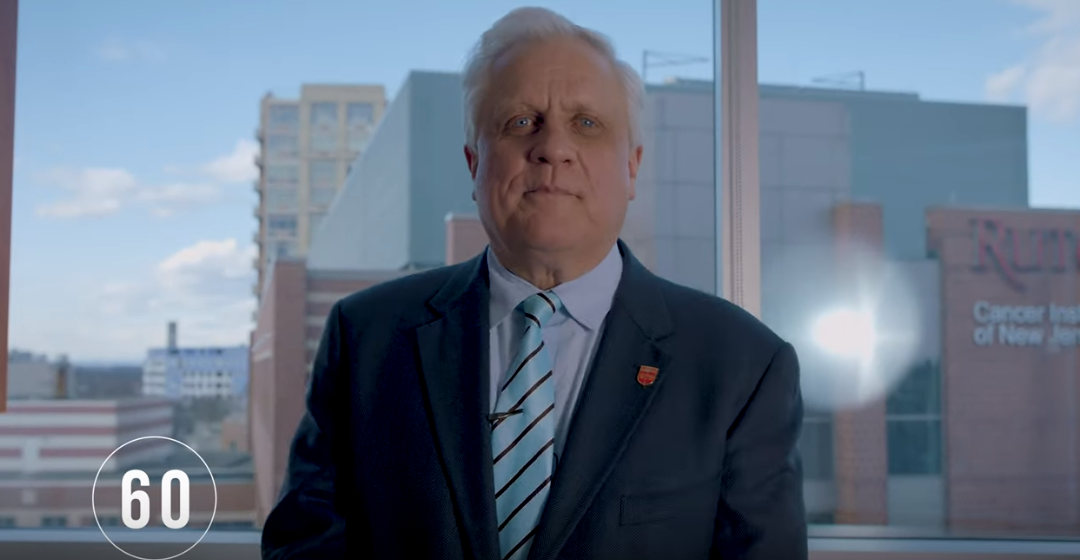
60-Second Challenge: Why You Should Care About Cancer in the Developing World
As part of World Cancer Day, Richard Marlink gets right to the point for Rutgers’ 60-second challenge, convincing viewers that they should care about cancer in the developing world—where cancer mortality rates are staggering.
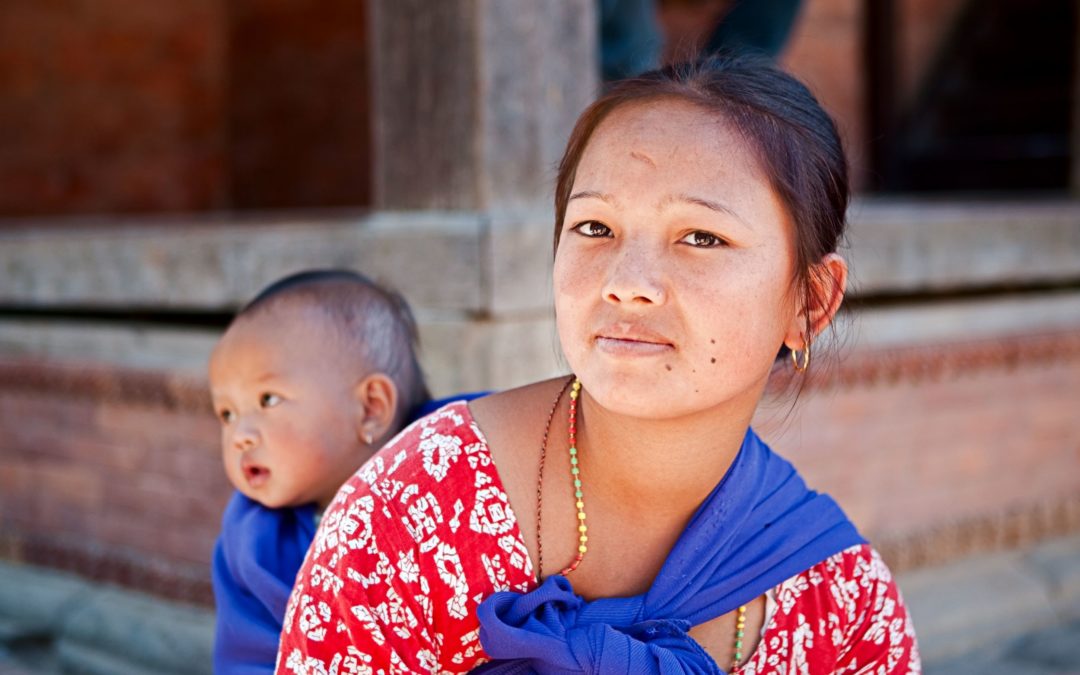
In Nepal, a New Generation of Health Risks
Excessive weight gain during pregnancy, along with associated health risks for pregnant women and their children, is on the rise in Nepal. Through a Rutgers Global Health Institute seed grant, Shristi Rawal is investigating the extent, possible causes, and outcomes of this problem.

Rutgers Advances Work on Climate Action Plan
Climate change is one of the greatest threats to human health the world has ever faced. At Rutgers, a task force co-chaired by institute core faculty members Robert Kopp and Kevin Lyons presented a 43-page report outlining an 18-month process to identify the strategies Rutgers will take to reduce the university’s carbon footprint and its vulnerability to the impacts of climate change.