
Photo courtesy of Stephan Schwander
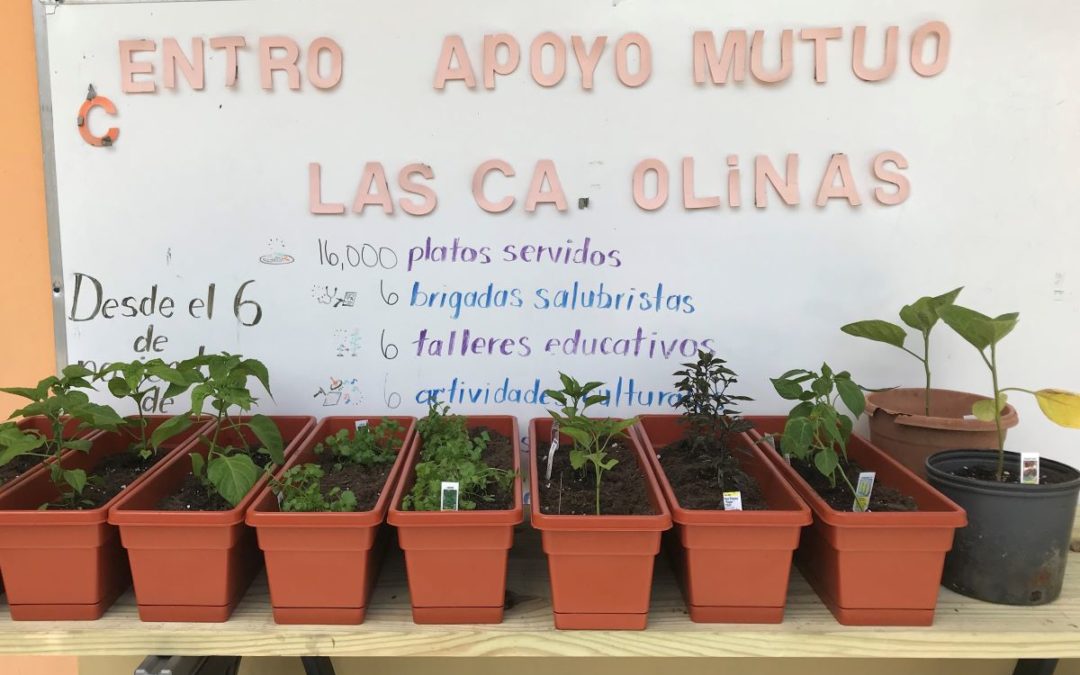
Growing Peppers—and Resiliency—in Puerto Rico
A partnership in Las Carolinas, Puerto Rico, is helping the volunteers of a community kitchen grow vegetables and herbs to support their efforts feeding local residents. Beyond the garden, a sense of empowerment also is blooming.
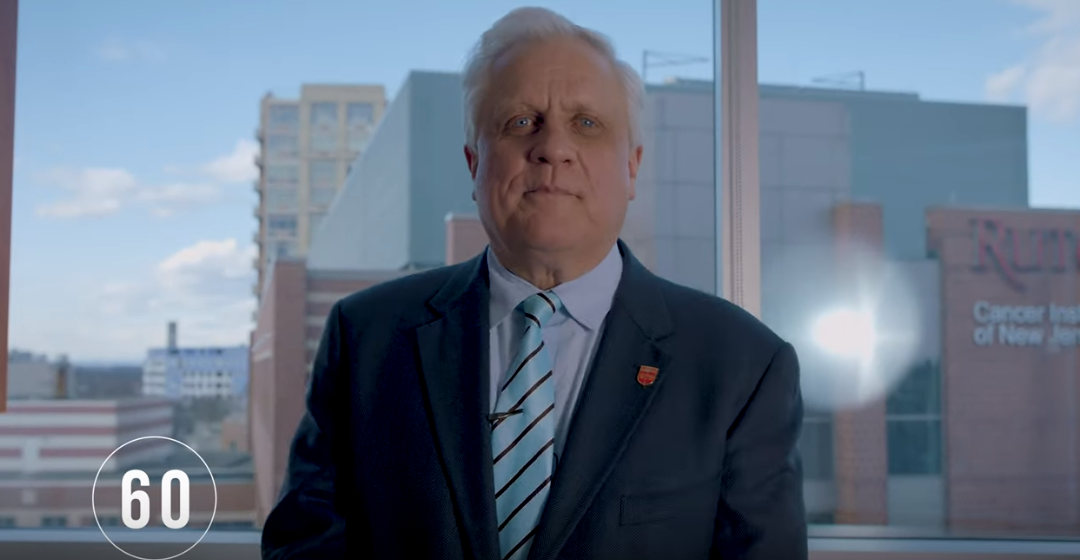
60-Second Challenge: Why You Should Care About Cancer in the Developing World
As part of World Cancer Day, Richard Marlink gets right to the point for Rutgers’ 60-second challenge, convincing viewers that they should care about cancer in the developing world—where cancer mortality rates are staggering.
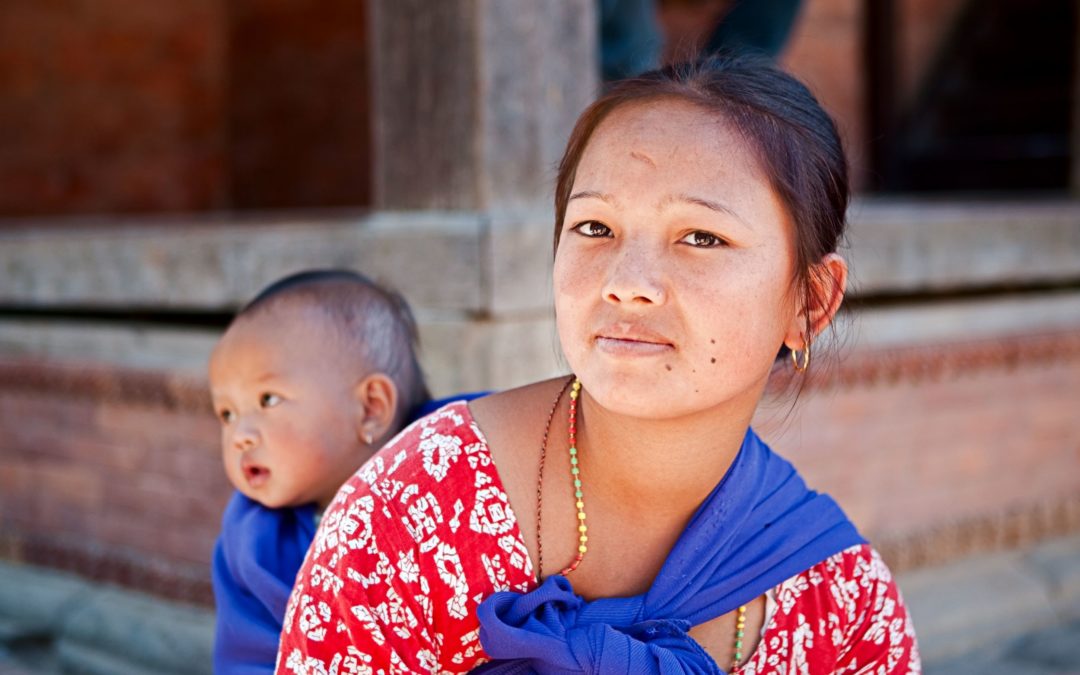
In Nepal, a New Generation of Health Risks
Excessive weight gain during pregnancy, along with associated health risks for pregnant women and their children, is on the rise in Nepal. Through a Rutgers Global Health Institute seed grant, Shristi Rawal is investigating the extent, possible causes, and outcomes of this problem.

Rutgers Advances Work on Climate Action Plan
Climate change is one of the greatest threats to human health the world has ever faced. At Rutgers, a task force co-chaired by institute core faculty members Robert Kopp and Kevin Lyons presented a 43-page report outlining an 18-month process to identify the strategies Rutgers will take to reduce the university’s carbon footprint and its vulnerability to the impacts of climate change.
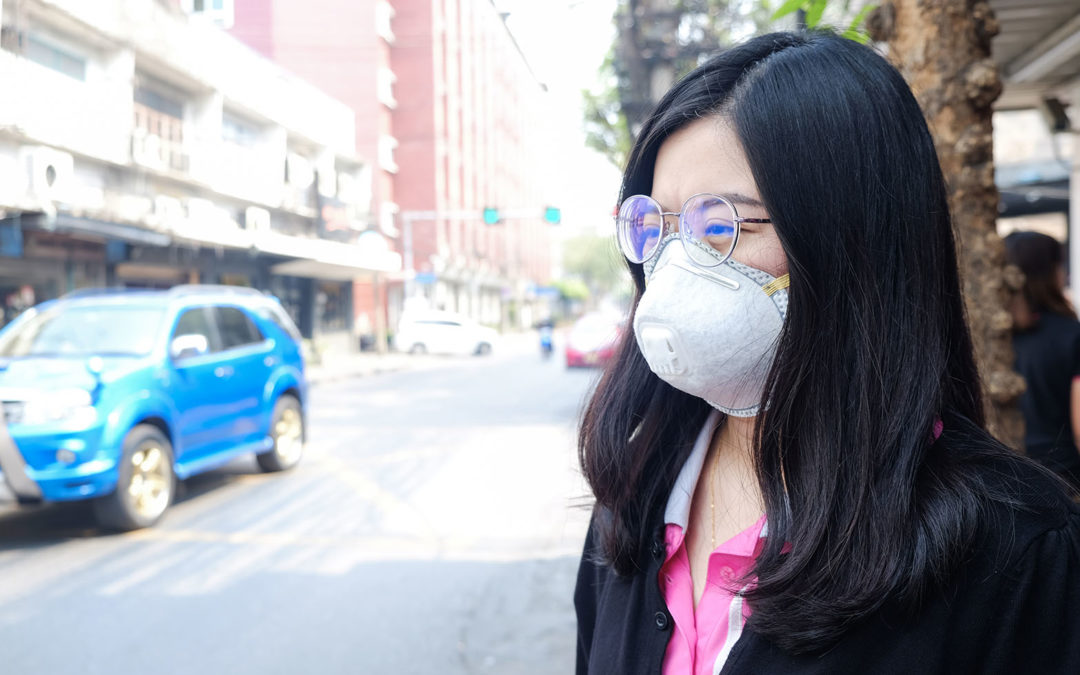
Wuhan Coronavirus in the United States: How to Stay Healthy
Rutgers expert Debra Chew discusses the evolving outbreak of Wuhan coronavirus and advises on how to stay healthy. Chew is a former epidemic intelligence officer for the Centers for Disease Control and Prevention, an assistant professor of medicine at Rutgers New Jersey Medical School, and the medical director for infection prevention and control at University Hospital in Newark.
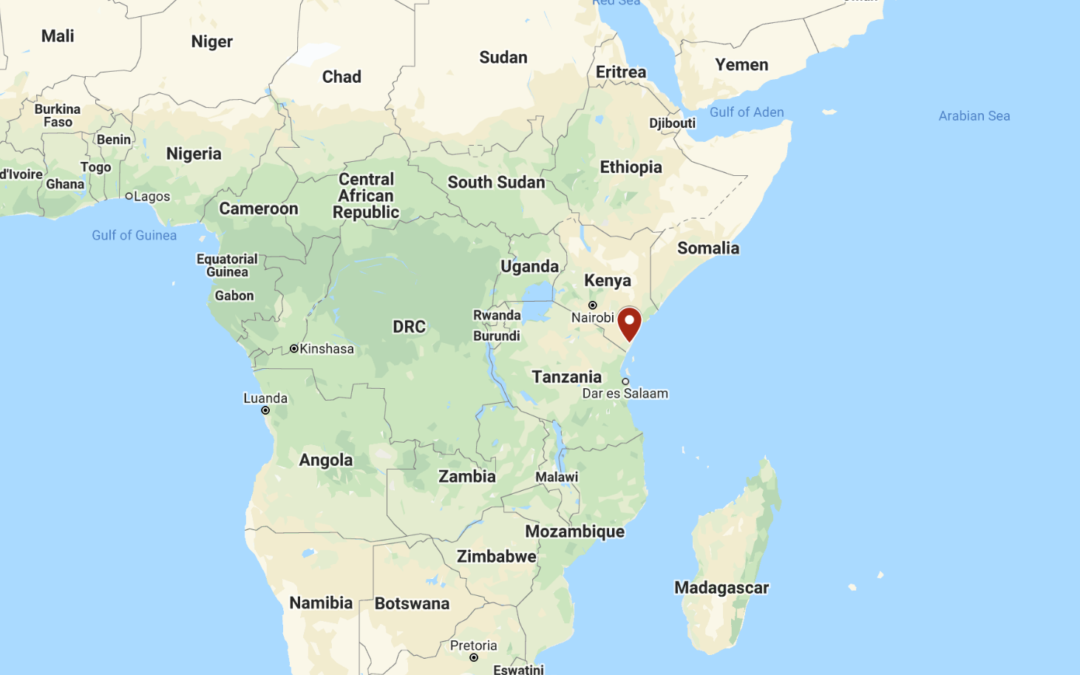
Project Map Spotlight: Tackling Gender-Based Violence Through Women’s Sports in Kenya
A study involving the all-women Nikumbuke Soccer League in Kenya is exploring the effects of women’s sports on social norms related to gender-based violence. Bloustein School associate professor Francis Barchi is collecting data via surveys, focus group discussions, and in-depth interviews in the seven villages that have women’s teams.
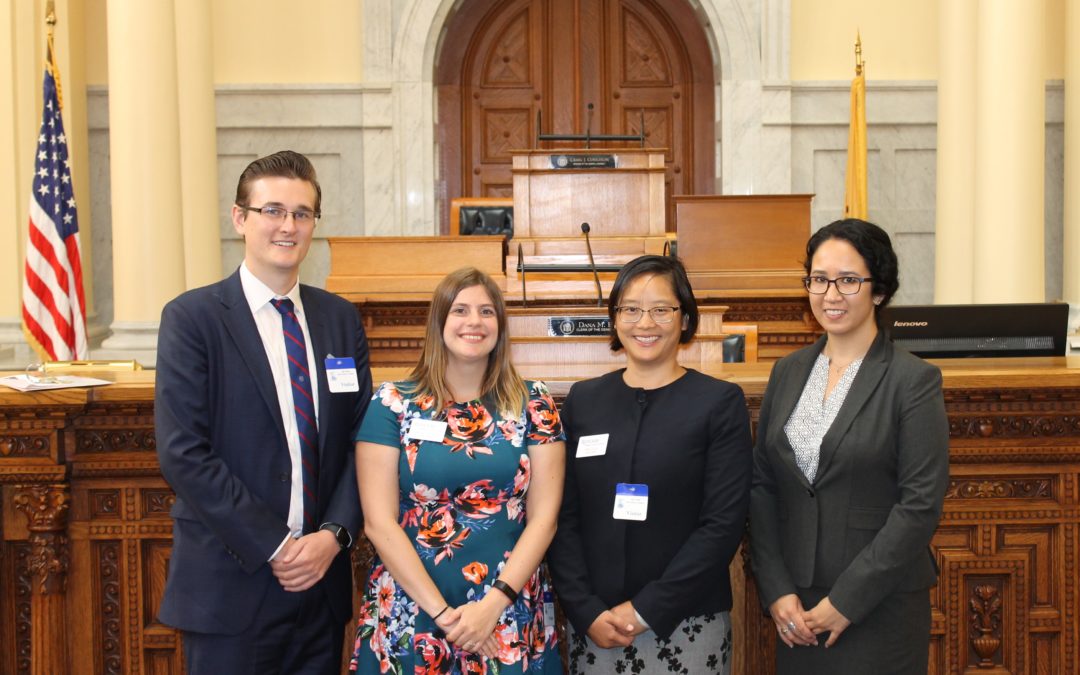
State Benefits From Scientists With Rutgers’ Eagleton Science and Politics Fellowship
Biologist Shin-Yi Lin, one of the inaugural fellows, is working with state officials to implement Medicaid coverage for doula services in New Jersey. Research shows that perinatal doula support may improve birth outcomes—but it is often accessible only to those who can afford to pay privately.

Breast Cancer Therapy in Botswana: Four Key Insights
In a lecture organized by Rutgers Global Health Institute, guest speaker Yehoda Martei discussed breast cancer care and outcomes in sub-Saharan Africa, particularly Botswana.
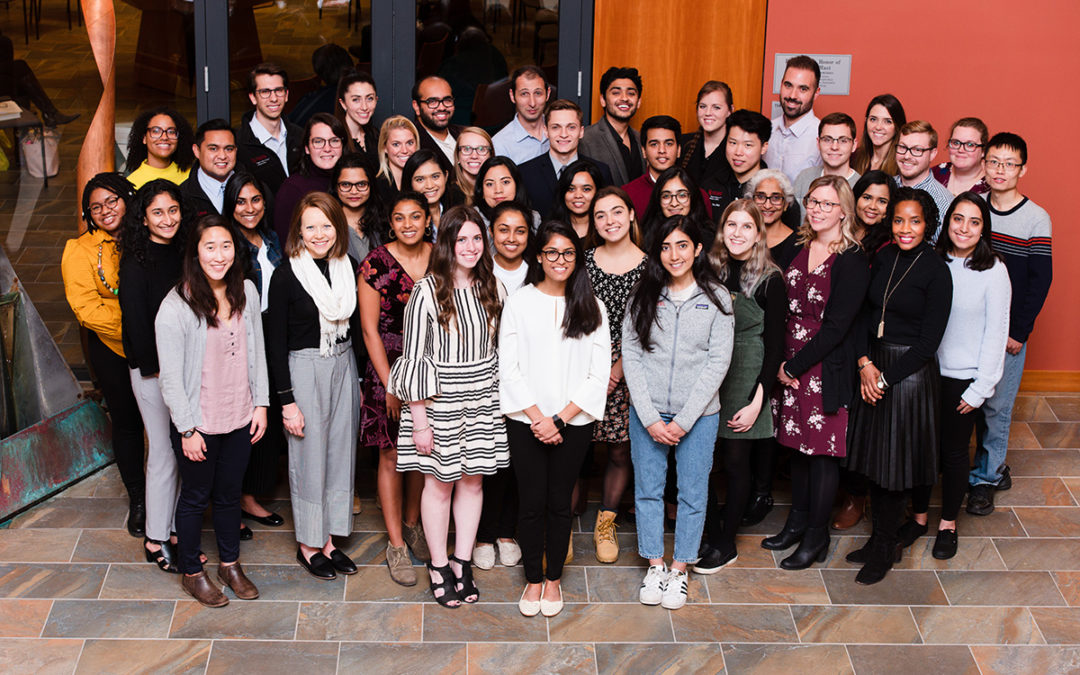
Rutgers Global Health Institute Establishes Student Council
The council, consisting of 52 undergraduate and graduate students from 19 different schools across the university, represents the student voice at the institute and will help foster global health collaboration across Rutgers’ academic disciplines.
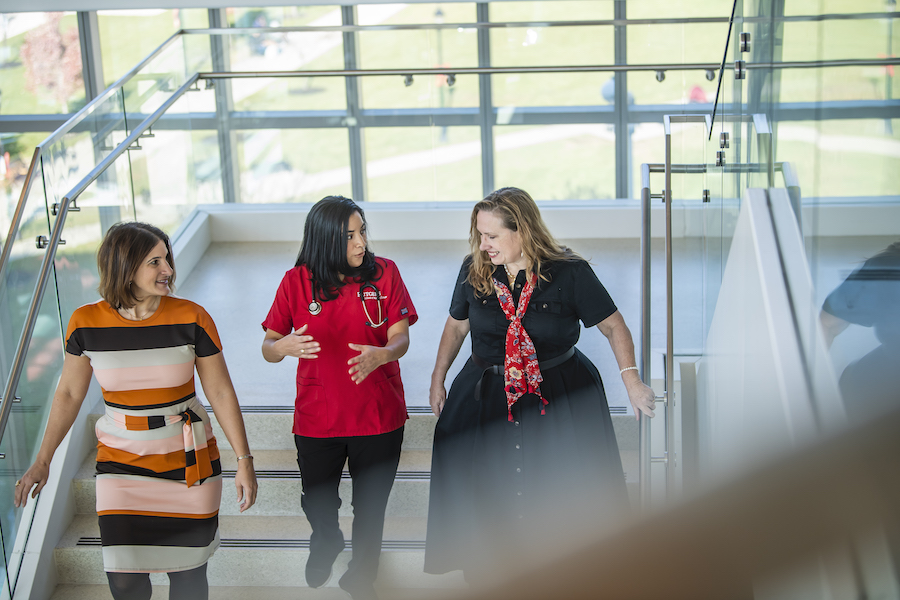
Healthcare in Your Language Isn’t a Given — A Local Program Wants to Change That
Undergraduates enrolled in the Spanish for Health Professions program at Rutgers University–Camden are learning the specific language skills they’ll need to work as certified medical translators in their communities.