When it comes to global health, there is no off season. This summer, Rutgers faculty, students, and staff have been involved in diverse projects that address health inequities, both in the U.S. and internationally.


When it comes to global health, there is no off season. This summer, Rutgers faculty, students, and staff have been involved in diverse projects that address health inequities, both in the U.S. and internationally.

Funded by Global Health Seed Grants, five faculty-led efforts will address disparities related to postpartum mental health, diseases of poverty, child feeding in farming communities, racial stigma in hospital care, and intimate partner violence.
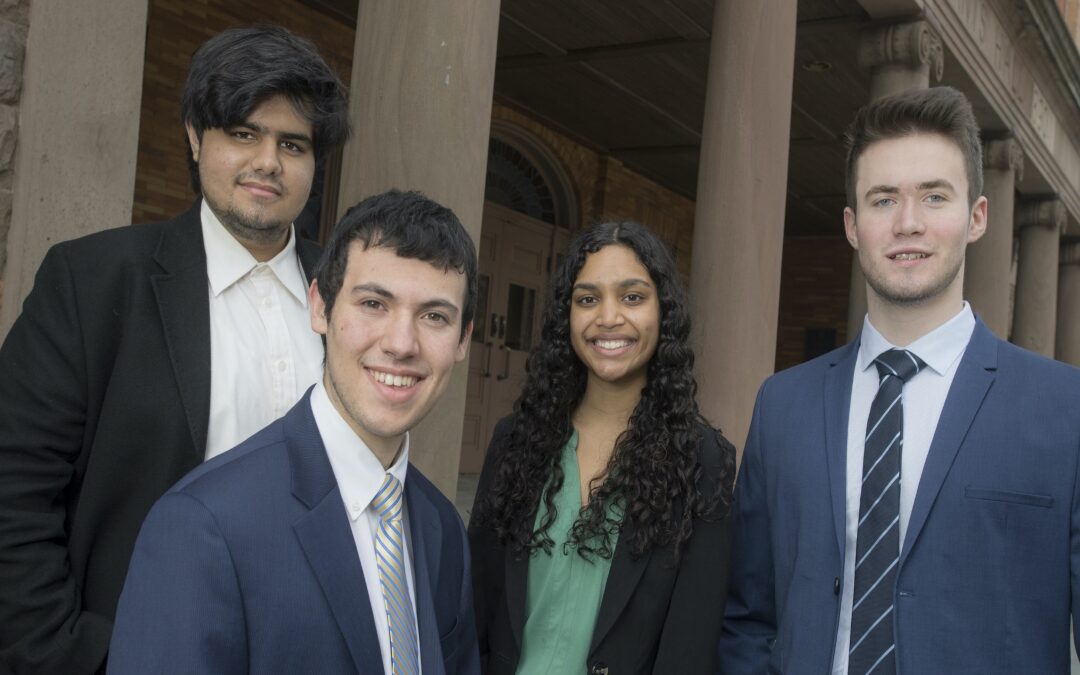
Rutgers students are working to address health disparities and infant mortality, to understand why Black and Hispanic women are hesitant to get vaccines, and on other projects that benefit society as part of a new initiative.
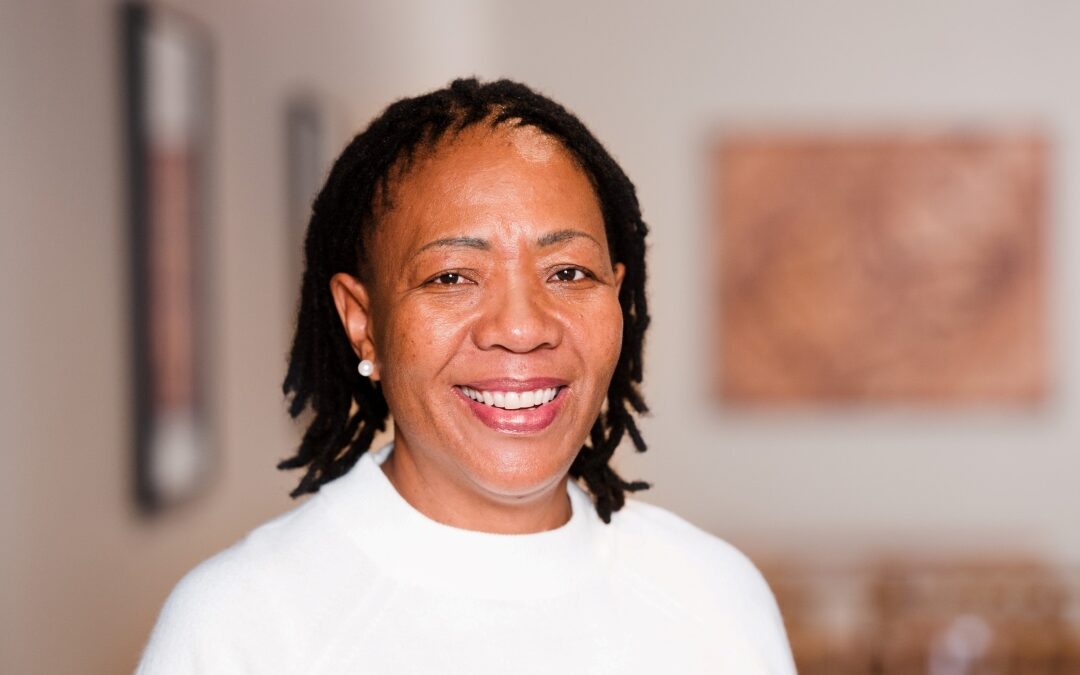
Refeletswe Lebelonyane is a physician, public health professional, and program manager for the Botswana-Rutgers Partnership for Health. In this Q&A, she provides updates on cancer care and prevention efforts in Botswana and reflects on her past experiences confronting HIV/AIDS in the African country.
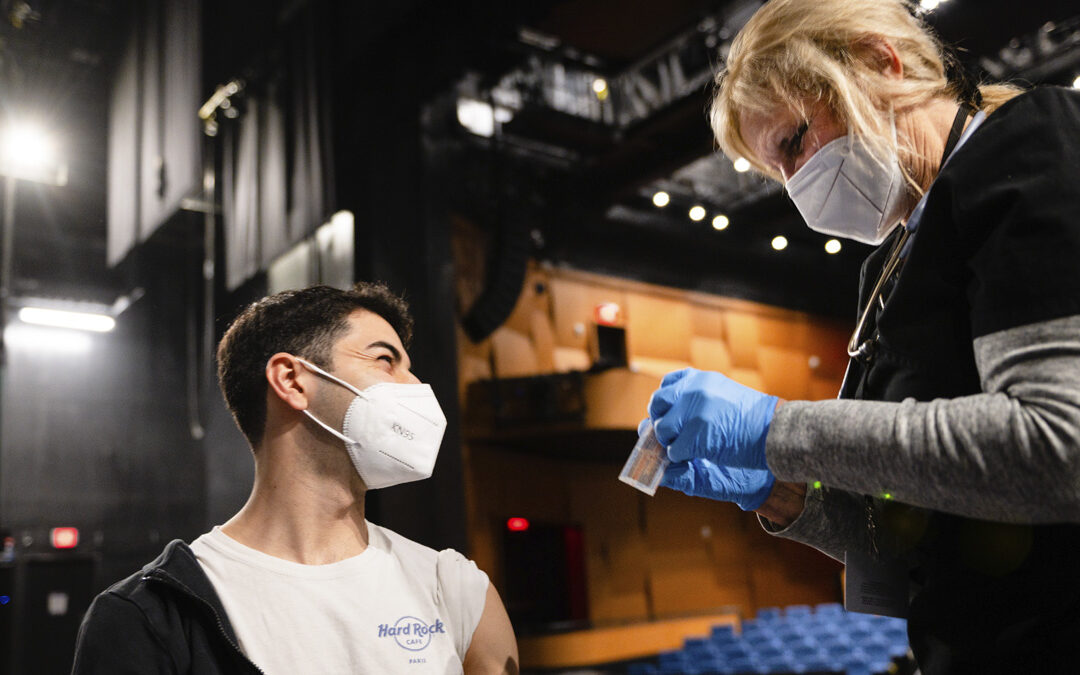
COVID-19 testing and vaccination clinics at the New Brunswick Performing Arts Center, where the ballet is a member company, are part of Rutgers Global Health Institute’s Equitable Recovery program. The clinics, which are open to the public, helped the ballet’s dancers safely return to the studio and stage.

Rutgers undergrads majoring in social work are interning at New Brunswick social services organizations while also engaging in global health-oriented mentoring and education. This new internship program is a joint effort between the School of Social Work and Rutgers Global Health Institute.
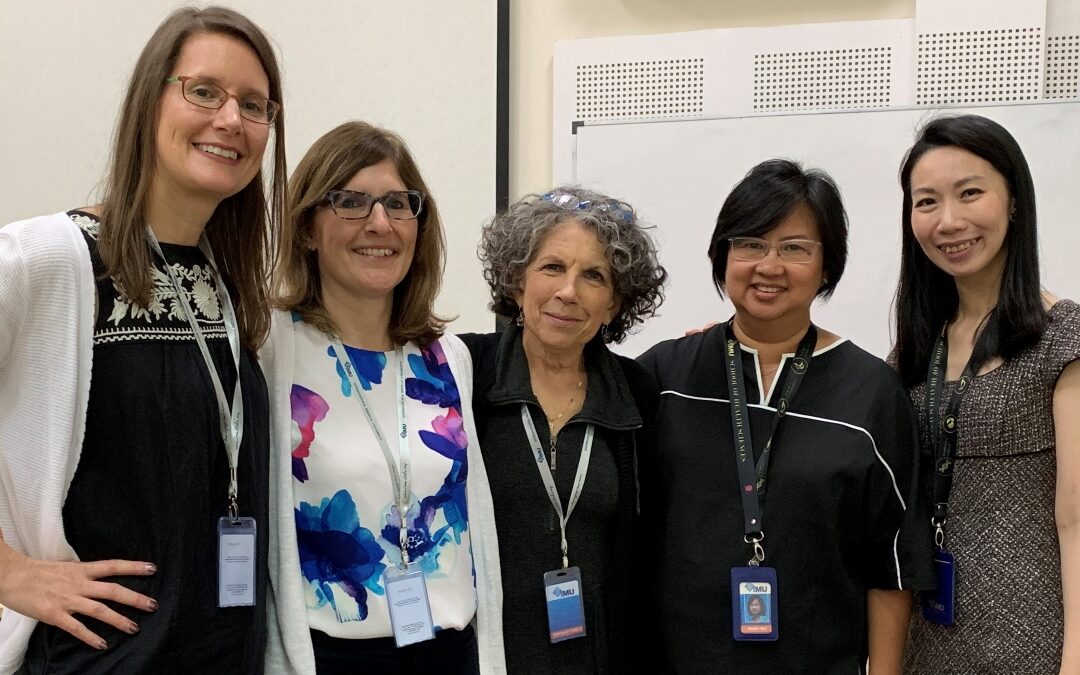
The institute core faculty member partners on education and training initiatives in several global health fields. Dietetics and nutrition, the role of communication and technology in health care delivery, and the relationships between discrimination and health inequities are among her areas of impact.
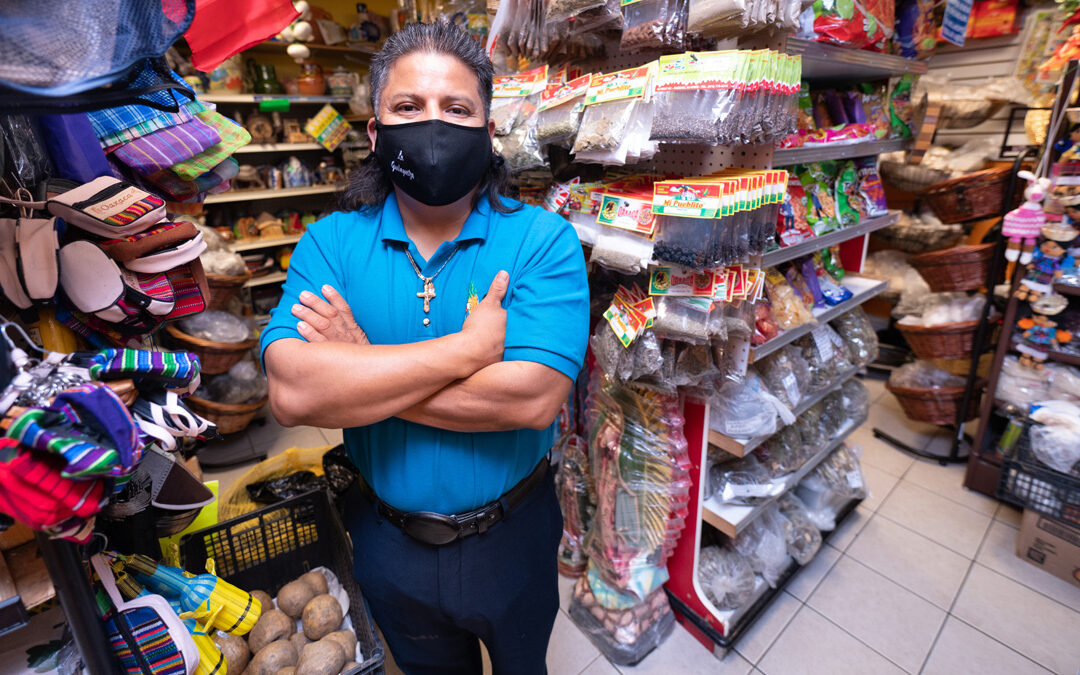
Emanuel Garcia, who owns a Mexican store in the city’s Esperanza neighborhood, has seen his business take a huge hit during the COVID-19 pandemic. A Rutgers Global Health Institute program helped him stay open and continue serving the community’s needs safely.
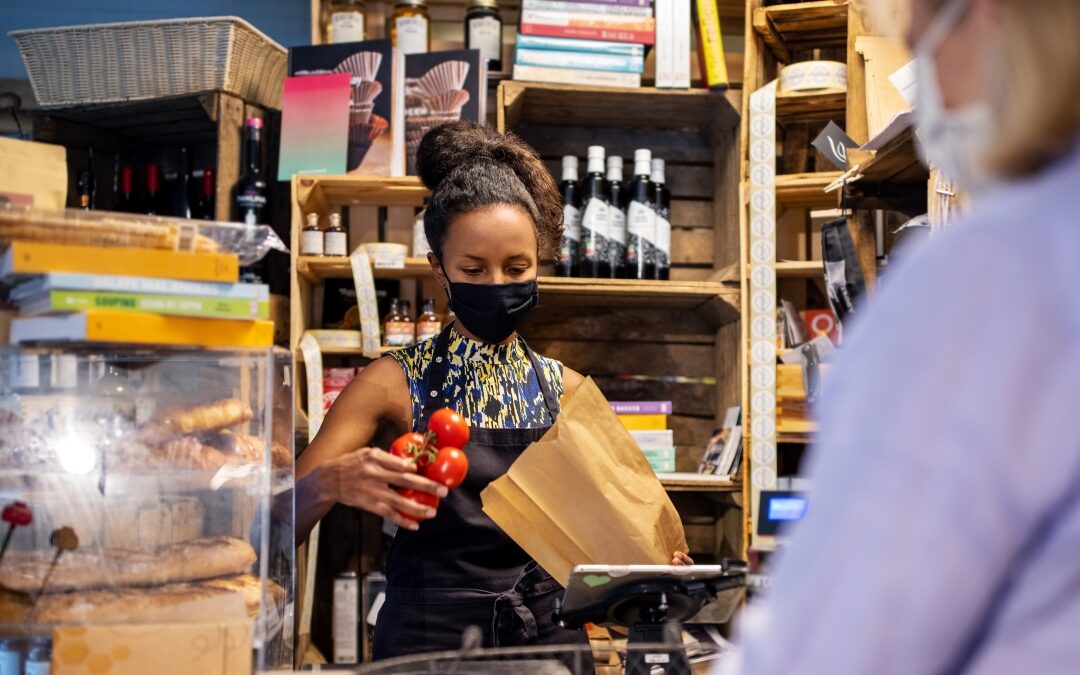
The three-part program provides guidance on safe operations and related support services for small businesses and nonprofits in New Jersey’s low-income and minority communities.

Among the many impacts of a new partnership between Rutgers and Botswana will be improved cancer care and prevention. Because a key challenge in Botswana is workforce capacity in the health sector, an early action item will be to train more clinicians to provide the specialized medical services that are needed in oncology and related fields.